West Barnes Estate Garden Care Tips from Raynes Park Gardeners
If you live on or near the West Barnes estate, you already know that a garden can look brilliant one month and a bit tired the next. Shared boundaries, compact plots, shade from mature trees, busy schedules, and the usual London weather all play their part. These West Barnes estate garden care tips from Raynes Park gardeners are designed to help you keep things tidy, resilient, and genuinely enjoyable to use, without turning every weekend into a chore.
Truth be told, most gardens do not fail because people do nothing. They fail because they do the wrong things at the wrong time, or too much all at once. A smarter routine is usually calmer, cheaper, and more effective. Below, you will find practical guidance for lawns, hedges, borders, patios, planting choices, seasonal maintenance, and the small decisions that make a big difference over time.
Whether you want a low-maintenance family space, a sharper-looking front garden, or a back garden that actually feels restful, this guide will walk you through the essentials in plain English.
Why West Barnes estate garden care matters
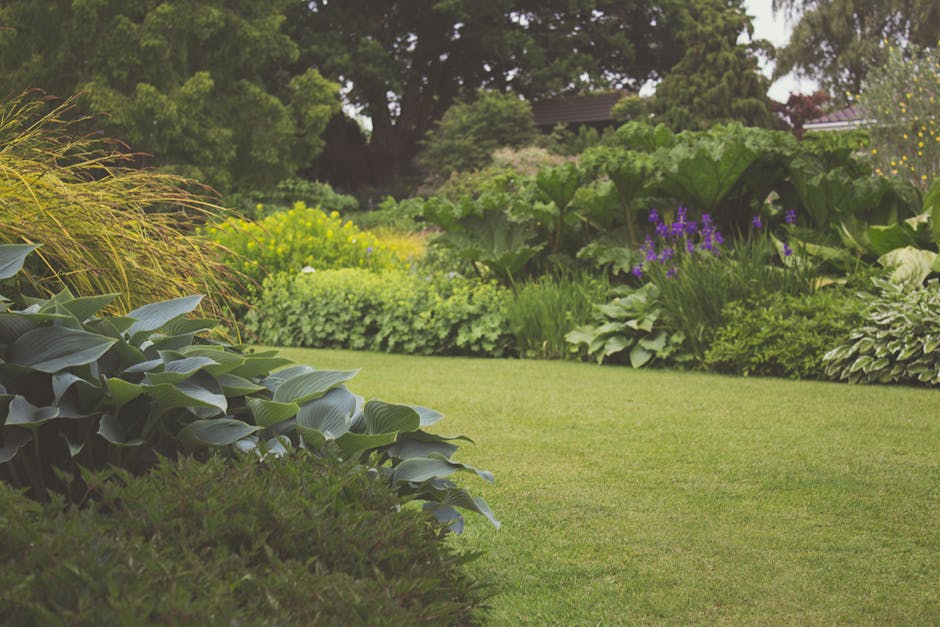
West Barnes gardens tend to face a familiar mix of pressures. Some plots are exposed to wind. Others sit under trees or alongside fencing that throws shade across beds for much of the day. Pathways can collect moss, lawns can thin out, and hedges can quickly begin to sprawl if left alone for a few months. None of that is unusual. It is just the reality of caring for a garden in a lived-in, suburban part of London.
Garden care matters here for more than appearance. A well-managed outdoor space supports drainage, discourages weeds, improves safety underfoot, and helps planting recover more quickly after cold snaps or dry spells. It also means your garden feels like part of the home rather than a separate problem that keeps asking for attention.
There is a local angle too. Gardens in established residential areas often need a practical balance between privacy, neighbourly neatness, and biodiversity. A border that looks a little wild in spring can be lovely; a boundary hedge that blocks light or leans into a pavement, not so much. Good care is about judgement, not perfection.
If you are trying to move a neglected plot back into shape, the process often begins with clearing the obvious issues and then choosing sustainable routines. That is exactly the kind of thinking behind articles like the ultimate garden makeover approach and simple weed control tips.
How West Barnes estate garden care tips from Raynes Park gardeners works
The best way to care for a West Barnes estate garden is to treat it as a system. Lawn, soil, shrubs, edging, paths, and planting all affect one another. If one element slips, the rest usually show it fairly quickly. A patchy lawn invites weeds. Compacted soil leaves plants thirsty. Overgrown hedges reduce light and airflow. A slippery patio becomes a nuisance and, frankly, a bit of a hazard.
Raynes Park gardeners usually start with assessment rather than action. What needs cutting back? What is genuinely healthy? Where is water pooling? Which plants are suited to the light you actually have, not the light you wish you had? Small observations matter. You can save a lot of time by answering those questions before reaching for the shears.
The practical workflow tends to look like this:
- Inspect the whole garden in daylight.
- Remove waste, weeds, and damaged material first.
- Reset the main structure: lawn edges, hedges, beds, paths.
- Improve soil where planting is struggling.
- Choose plants and maintenance tasks to suit shade, wind, pets, or children.
- Set a seasonal schedule so the work does not pile up again.
That sounds straightforward, and usually it is. The challenge is consistency. A little and often approach beats heroic weekend efforts every time. If your garden is on a tighter budget, consider the ideas in these easy-care garden ideas, which suit households trying to keep maintenance sensible rather than expensive.
One useful mindset is to think in layers. First comes safety and access. Then comes health and structure. Only after that should you worry about decorative details. That order keeps the work grounded, and it saves a lot of do-it-twice frustration. Which, let's face it, nobody needs.
Key benefits and practical advantages
Good estate garden care is not just about a neat finish. It brings everyday benefits that you will notice whether you use the garden daily or just want it to look respectable from the window.
- Healthier lawns: Regular mowing, aeration, and feeding help grass recover from foot traffic and weather stress.
- Cleaner edges and borders: Tidied boundaries make a property feel cared for, even before you notice the planting.
- Less weed pressure: Dense planting, mulch, and routine weeding make it harder for invaders to take hold.
- Better privacy: Trimmed hedges and the right screening plants can make a big difference in compact estates.
- Safer surfaces: Clearing moss, leaves, and debris reduces slipping and trip risks on paths and patios.
- More usable space: When the layout is managed well, you get more room for seating, pots, play, or simple breathing space.
There is also a psychological benefit that people sometimes underestimate. A tidy garden lowers background stress. You stop seeing jobs everywhere. Instead, you see a place you can enjoy again. That change matters. It really does.
For many homeowners, the biggest win is flexibility. Once the basics are under control, you can start shaping the garden around how you actually live. Maybe that means adding a shaded seating corner, improving a lawn, or replacing awkward strips with hardier planting. Ideas like smarter garden seating or container planting can help when space is limited.
Who this is for and when it makes sense
This kind of garden care suits a wide mix of people. Some want weekly upkeep. Others need a seasonal reset after work or family life has left the plot a little behind. There is no single right moment to start, but there are definitely signs that it would help.
You may be a good fit if:
- your lawn is thinning or patchy
- hedges are getting too tall or too wide
- weeds are returning faster than you can clear them
- the patio has become slippery or dull
- you want a lower-maintenance layout
- you are preparing to sell, rent out, or simply improve the home's presentation
It also makes sense if you have pets or children. Outdoor spaces need to be attractive and practical, but also safe. A family garden can get messy quickly, and that is normal. You just need a design that can handle the mess without falling apart. If that sounds familiar, the advice in gardening with dogs in mind or creating a safe kids area may be especially useful.
On the other hand, if your garden is already healthy and easy to manage, you probably do not need a full overhaul. A lighter maintenance plan may be enough. Knowing when not to do extra work is part of good gardening too. There, I said it.
Step-by-step guidance
1. Start with a clear assessment
Walk the garden in its current state and note the obvious problems. Look at the lawn, borders, hedges, paths, fences, and any planting that has outgrown its space. Check which areas get full sun, partial shade, and deep shade. Gardens often look different at 9 a.m. than they do at 4 p.m., so if possible, take a second look later in the day.
2. Clear waste and reset the structure
Before you plant anything or mow anything, remove dead material, broken pots, fallen branches, and piles of leaves. Then define the garden structure. That means edging the lawn, cutting back overgrowth, and making boundaries visible again. Once the outlines are clear, the whole space feels calmer.
3. Deal with the lawn properly
Lawns on estates often struggle because they are compacted, underfed, or mown unevenly. Mow regularly, but do not scalp the grass. Lift the blades higher in dry weather. If the surface feels spongy, compacted, or bare in places, think about aeration, top dressing, and overseeding. A thin lawn can recover surprisingly well when given the right attention.
4. Sort the hedges and shrubs
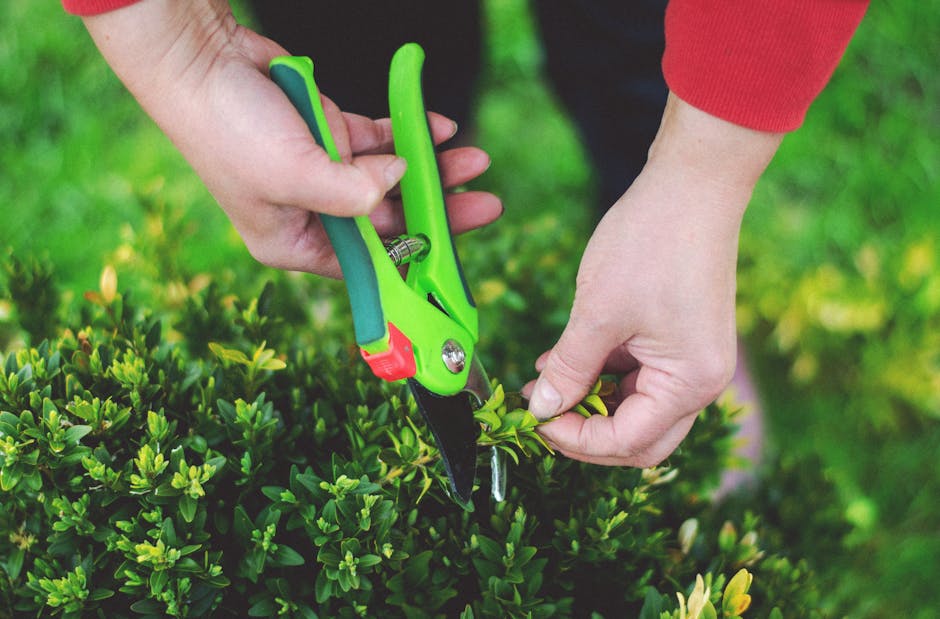
Hedges are one of the biggest visual signals of whether a garden is cared for. Keep them trimmed in a way that suits the species and the season. Avoid cutting too hard into old, woody growth unless you know the plant will respond well. If boundary hedging is becoming unruly, the focused advice on hedge trimming in Raynes Park is a useful reference point.
5. Refresh borders and soil
Healthy borders do not happen by accident. Remove weeds at the root, then mulch the soil to keep moisture in and weeds down. If planting looks tired, work in compost or another suitable organic matter. Poor soil is often the hidden reason a garden feels like a fight. Improve the soil and the rest becomes easier.
6. Match plants to the site
If a bed is shaded, do not keep forcing sun-loving plants into it. If the garden is windy, choose sturdier species. If you need structure with minimal fuss, ground cover can be a smart choice. You can explore the useful guidance in top ground cover plants for UK gardens or browse another set of versatile ground cover ideas for low-level coverage.
7. Finish with surfaces and access
Patios, paths, decking, and step areas should be clean, safe, and easy to use. Moss, algae, and leaf litter build up quickly in damp corners. If the surface is slippery or discoloured, a proper clean can make the whole place look newer without replacing a thing. For those areas, patio cleaning can be as important as pruning.
That is the basic sequence. It is not glamorous, but it works. And once the structure is back, maintenance becomes a lot less intimidating.
Expert tips for better results
Good gardeners do not just work harder. They work more selectively. Here are the kinds of details that make a visible difference.
- Cut hedge growth before it becomes woody: lighter, regular trimming is usually kinder than a once-a-year battle.
- Mulch after weeding: it helps keep beds tidy for longer and reduces moisture loss.
- Water deeply, not constantly: shallow watering encourages weak roots.
- Use containers for problem spots: awkward corners, paved areas, and dry patches can all be softened with pots.
- Leave room for airflow: crammed planting can look lush, but it can also invite mildew and mildew's annoying little friends.
- Plan winter protection in advance: don't wait until the first sharp frost. That is a bit late, to be fair.
One overlooked trick is to design for easy maintenance rather than maximum variety. A few well-chosen plants, repeated consistently, often looks better than a crowded mix of fussy species. If you want inspiration for tougher planting styles, herb garden ideas, vertical garden ideas, and shade-friendly climbers can all be adapted to smaller plots.
Another small but important point: trim and tidy at the right time of year. Early spring, late spring, midsummer, and early autumn each have different jobs. If you are unsure, work conservatively. A slightly late trim is usually better than removing the wrong growth at the wrong time.
Common mistakes to avoid
Most garden problems are not dramatic. They are cumulative. A few small mistakes, repeated over a season or two, can turn a good space into a tired one.
- Overcutting hedges or shrubs: too much at once can leave bare patches that take ages to recover.
- Ignoring drainage: soggy beds, puddled paths, and compacted lawns are warning signs, not minor quirks.
- Choosing plants for looks only: a plant that hates the site will eventually punish you for it.
- Letting weeds seed freely: one lazy week can become a long campaign.
- Using too much fertiliser: more is not always better, especially on stressed or dry soil.
- Leaving safety issues to later: wobbly paving, broken edging, and low branches should be dealt with promptly.
There is also the classic mistake of trying to "finish" the garden in one weekend. It rarely ends well. You end up sore, annoyed, and only half done. Better to work in sections and let each improvement settle before moving on.
If ivy, self-seeded growth, or stubborn climbers are taking over, it can be worth handling them properly rather than hacking at the visible top growth. That is where practical advice like removing ivy safely becomes genuinely useful.
Tools, resources and recommendations
You do not need a van full of kit to keep a garden in shape, but a few reliable tools make everything easier. A sensible setup is usually enough for most West Barnes estate gardens.
- sharp secateurs for fine pruning
- loppers for thicker stems
- hedge trimmers for boundary shaping
- rake and leaf grabbers for seasonal clear-ups
- garden fork or aerator for compacted ground
- spade, trowel, and hand weeder for borders
- gloves, eye protection, and sturdy footwear
If you are putting together your own kit, the article on essential gardening gear is a good place to sanity-check what actually earns its keep. Not every gadget does, let us be honest.
Useful service areas to keep in mind include garden maintenance, lawn care, lawn mowing, and general gardening services if you want help with the heavier or more time-consuming jobs. If boundaries, privacy, or access are a concern, fencing and landscaping can also be worth considering.
For bigger trees or overgrown woody growth, do not guess. Some jobs are best left to trained help, especially when height, weight, or decay is involved. There is a good reason why tree surgery exists as its own specialist service.
Law, compliance, standards and best practice
Garden care is usually low-risk, but there are still sensible standards to follow. In the UK, property owners and gardeners should think carefully about safety, boundary responsibility, and how work affects neighbours, pathways, and shared spaces. If you are managing a front garden or boundary hedge, keep an eye on overhang, visibility, and access. If work affects shared areas, courteous communication avoids most problems before they begin.
Good practice also means using equipment responsibly, wearing appropriate protective gear, and not taking shortcuts with ladders, cutting tools, or chemicals. If you are hiring help, it is sensible to check whether the provider takes safety seriously and has appropriate cover. The pages on insurance and safety and health and safety policy are worth reading if you want to understand the sort of standards a professional outfit should be working to.
For customer confidence, basic business transparency matters too. Clear terms, secure payment handling, and a straightforward complaints route are all signs of a company that expects to be accountable. Those are not flashy details, but they are part of trust. You will probably notice the difference straight away.
If you are comparing quotes, keep scope clear. A quote for hedge trimming is not the same as a full clearance, and a one-off tidy is not the same as ongoing maintenance. Transparent pricing is fairer for everyone, and it helps you compare like with like. The relevant information is usually set out in pricing and quotes, terms and conditions, and payment and security.
Options, methods, or comparison table
Different gardens need different levels of attention. Here is a simple comparison to help you decide what kind of approach fits your space.
| Approach | Best for | Strengths | Trade-offs |
|---|---|---|---|
| DIY routine care | Small to medium gardens with manageable growth | Lower cost, flexible timing, hands-on control | Needs consistency and basic equipment |
| Seasonal tidy-up | Gardens that are generally fine but slip at certain times of year | Good reset after winter or summer growth | Can let issues return between visits |
| Regular maintenance plan | Busy households or larger plots | Predictable, tidy, easier to budget for | Less spontaneous, may feel less personal |
| Targeted specialist work | Overgrown hedges, trees, patios, or problem areas | Solves specific issues efficiently | Not a complete whole-garden solution by itself |
For many West Barnes homes, the sweet spot is a combination: regular light maintenance with occasional specialist help for bigger tasks. That tends to keep costs sensible and stops the garden from slipping backwards.
Case study or real-world example
A fairly typical West Barnes-style garden might start like this: a narrow lawn, a hedge that has crept up and out, one border full of weeds, and a patio that has gone a little green around the edges. Nothing dramatic. Just enough to make the space feel more like a job than a place to relax.
In a case like that, the first visit would usually focus on clearing, cutting back, and restoring the garden's shape. The hedge would be reduced to a sensible line, the border weeded and mulched, and the patio cleaned so the whole area looked brighter. After that, the lawn might be mown to an appropriate height and the edges sharpened.
Then comes the useful bit: making it easier to maintain. That might mean replacing the patchiest corner with ground cover, adding a couple of containers for colour, and choosing a few plants that cope better with the site conditions. A modest refresh can make the space look twice as intentional without requiring constant work.
The biggest change is usually not the planting. It is the feeling. Once the garden has structure again, people tend to use it more. Morning coffee outside becomes realistic. Children play without bumping into overgrowth. A small chair or bench finally has a purpose. Funny how that works.
Practical checklist
Use this as a straightforward seasonal reset checklist for a West Barnes estate garden.
- Walk the garden and note what is overgrown, damaged, or unsafe
- Clear leaves, litter, dead material, and loose debris
- Mow the lawn and define the edges
- Trim hedges and shrubs before they become too woody
- Remove weeds from borders, paving, and path edges
- Mulch or improve soil in tired beds
- Check drainage and pooling after rain
- Clean patios, paths, and other hard surfaces
- Assess plants for shade, wind, and seasonal resilience
- Make a plan for the next four to six weeks, not just today
If you are starting from a more neglected position, keep the first round simple. Get the garden back to a manageable baseline. Then refine it. That order saves both energy and money.
Get a free quote today and see how much you can save.
Conclusion
West Barnes estate garden care does not need to be complicated, but it does need to be thoughtful. The best results come from clear structure, appropriate planting, regular light maintenance, and a willingness to deal with issues before they snowball. That is the real lesson behind these West Barnes estate garden care tips from Raynes Park gardeners.
Start with the basics. Tidy the edges. Improve the soil. Pick plants that suit the site. Keep an eye on hedges, lawns, patios, and boundaries. Once those pieces are in place, the garden becomes easier to live with and nicer to look at. A bit more calm, a bit less chaos. That's the goal.
And if the whole thing feels a touch overwhelming right now, that is perfectly normal. Gardens have a way of looking as if they need everything all at once. They usually do not. One sensible step at a time is enough.
Frequently Asked Questions
What are the most important garden care tasks for West Barnes estates?
The essentials are lawn care, hedge trimming, weed control, border tidying, and keeping paths or patios clean and safe. Those five jobs do most of the heavy lifting.
How often should a garden on the West Barnes estate be maintained?
Most gardens benefit from light attention every one to two weeks during the growing season, plus more focused seasonal work in spring and autumn. Busy or larger gardens may need a regular maintenance plan.
Is lawn mowing enough to keep the garden looking neat?
Not quite. Lawn mowing helps a lot, but untreated hedges, weeds, moss, and tired borders will still make the garden look neglected. A tidy garden is usually the result of several small jobs working together.
What should I do if my garden is mostly shade?
Choose shade-tolerant planting, avoid forcing sun-loving plants into poor light, and keep an eye on moss and damp. A shady garden can still look lovely if the planting is matched properly.
How can I reduce garden maintenance without making it look bare?
Use more ground cover, repeat a smaller number of plant varieties, and choose robust species that suit your soil and light levels. Containers can also soften awkward spaces with less ongoing effort.
When is the best time to trim hedges?
It depends on the hedge species, but lighter, regular trims are usually better than infrequent hard cuts. If you are unsure, work conservatively and avoid nesting periods where relevant.
Can a neglected garden be brought back under control quickly?
Yes, usually. The first step is a proper clearance and reset. After that, a practical maintenance rhythm makes the space manageable again. It does not need to be perfect in one go.
What are the signs that I need professional help?
If hedges are too tall, trees are overhanging, patios are slippery, or the whole space has become too much for your schedule, professional help can save time and reduce risk. Bigger or awkward jobs are often worth handing over.
Are patio and path cleaning really necessary?
Yes, especially in damp weather. Algae, moss, and leaf build-up can make hard surfaces slippery and dull. Cleaning them can improve both safety and appearance very quickly.
How do I keep weeds from coming back so fast?
Remove them by the root where possible, mulch borders, and keep planting dense enough to reduce empty soil. A garden with exposed bare patches will nearly always invite weeds back in.
What should I ask for when comparing gardening quotes?
Ask what is included, whether waste removal is covered, how often visits are planned, and whether the quote is for one-off work or ongoing maintenance. Clarity at the start avoids awkward surprises later.
Do I need to worry about safety and insurance for garden work?
Yes. Any work involving ladders, power tools, or heavy pruning should be handled responsibly. It is sensible to look for clear safety practices and appropriate insurance before agreeing to work.
Can a small garden still feel impressive with simple care?
Absolutely. In smaller spaces, clean edges, healthy planting, and one or two well-chosen features can make a surprisingly big impact. Small gardens often look best when they are calm and not overfilled.
How do I get started if I do not know where to begin?
Start with the worst visible problem: usually weeds, mowing, hedge growth, or clearing debris. Once that is under control, the rest becomes much easier to judge. Small win first, then the next one.