Recycling and Sustainability for Gardeners Raynes Park
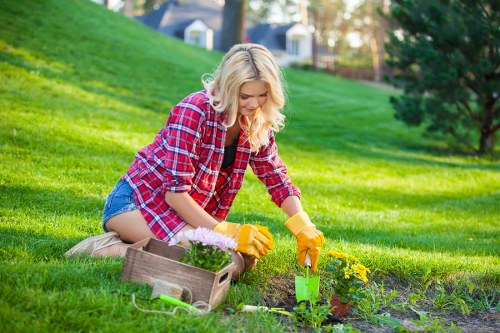 Gardeners Raynes Park is committed to working in a way that keeps gardens thriving while reducing environmental impact. From the choice of materials to the handling of green waste, every stage of a project can be planned with sustainability in mind. A practical goal for our Raynes Park gardening team is to keep recycling performance high, with a target of 85% recycling and recovery across suitable waste streams where local facilities and material quality allow. That means prioritising reuse, composting, and sorting over disposal wherever possible. We also look for small changes that make a large difference, such as reducing single-use plastics, using locally sourced aggregates, and choosing durable products that last longer in the garden.
In day-to-day work, our approach is shaped by the boroughs surrounding Raynes Park, where waste separation, green bin usage, and mixed recycling rules encourage residents and businesses to sort materials carefully. Garden maintenance waste is often cleaner and easier to process than general household rubbish, so it can be directed into the right stream more efficiently. Branch cuttings, hedge trimmings, grass, and fallen leaves are separated from timber, plastic ties, pots, and packaging. Where suitable, organic material is taken for composting or mulching, while inert items are managed for recovery. This careful segregation supports a more circular model of local gardening services and helps cut down on avoidable landfill use.
We also make use of local transfer stations and licensed waste facilities to ensure that material from Gardeners in Raynes Park is handled responsibly. These hubs play an important role in sorting and consolidating green waste, soil, rubble, wood, and recyclable packaging before onward processing. By using established transfer stations, the team can route waste more efficiently and reduce unnecessary journeys. Local transfer stations are especially useful when jobs produce a mixed load, because they allow recyclable items to be separated more accurately than on site alone. This supports a cleaner, safer workflow and improves the chance that materials are recovered in the right way.
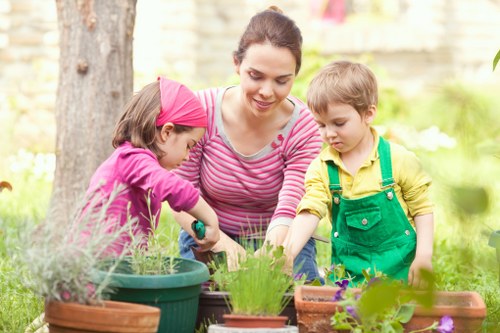 Charitable partnerships are another important part of our sustainability commitment. Many gardening projects leave behind items that still have value, such as healthy plant pots, timber offcuts, decorative containers, hand tools, paving remnants, or usable furniture for outdoor spaces. Rather than sending these straight for disposal, Raynes Park gardeners can pass suitable items to charities, community gardens, and local reuse initiatives. This helps extend the life of materials and can benefit schools, allotment groups, or neighbourhood projects that need affordable supplies. Giving usable goods a second life is a simple but effective way to support both the environment and the local community.
Our recycling-first mindset also extends to the way jobs are organised. Materials are assessed on site so that recyclables can be separated early, which reduces contamination and improves processing outcomes. Soft green waste may be combined for composting, while soil and hardcore are kept apart from plastics and general rubbish. In some borough operations, there is particular attention on separating food waste, garden waste, paper, cans, and glass, and that wider culture of sorting influences how our service works too. For garden recycling in Raynes Park, this means being deliberate about what enters each bin, bag, or vehicle compartment. It is a practical system that supports better environmental results without adding unnecessary complexity to the service.
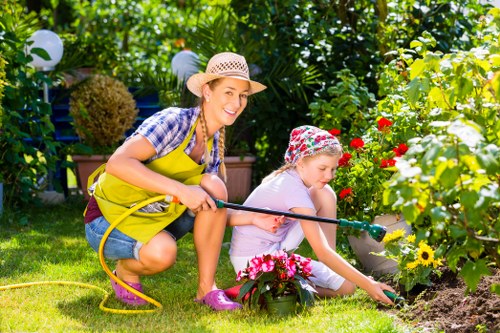 We also invest in low-carbon vans to reduce emissions associated with travel between gardens, transfer points, and disposal facilities. Modern vehicles with improved fuel efficiency and cleaner engines can make a meaningful difference over time, especially when they are used across repeated local journeys. Choosing low-emission transport helps lower the carbon footprint of routine maintenance, hedge cutting, clearance, and seasonal tidy-ups. In an area like Raynes Park, where travel distances are often short but frequent, efficient routing and vehicle choice work together to keep the environmental impact of each job down. This forms part of a broader strategy to deliver reliable gardening support while using fewer resources.
Reducing waste at the source is just as important as recycling it correctly. Wherever possible, we favour materials that can be reused across multiple visits, such as durable sacks, reusable plant supports, and long-lasting storage solutions. We also look for opportunities to compost green waste on a larger scale, turning prunings and cuttings into useful organic material rather than treating them as rubbish. In practical terms, that means the work of Gardeners Raynes Park is guided by a preference for recovery over disposal, reuse over replacement, and smart planning over wasteful habits. These choices are small individually, but together they create a stronger sustainability profile for the service.
Partnerships with charities are complemented by a general commitment to community-minded recycling. When a garden clear-up includes items that are still in good condition, we aim to route them toward reuse rather than discard them. That may include plant containers, edging materials, clean timber, or decorative items that could serve another gardener well. This approach reflects a wider Raynes Park gardening service ethos: keep useful things in circulation, keep recyclable materials separate, and keep organic waste moving toward composting or soil improvement routes. It is a simple but effective model that fits well with the area’s practical attitude to waste separation and environmental responsibility.
For more specialist work, such as renovation or clearance projects, waste management is planned in advance so that recycling can be maximised. Soil may be screened and reused where suitable, stones can be recovered, and plant matter can be sorted for green processing. This is especially valuable when working on older gardens where mixed material has built up over time. By handling each category carefully, gardeners in Raynes Park help avoid unnecessary disposal and support the local waste hierarchy. Recycling-led gardening is not only cleaner; it is also more efficient, because it reduces double handling and makes each trip to a facility count.
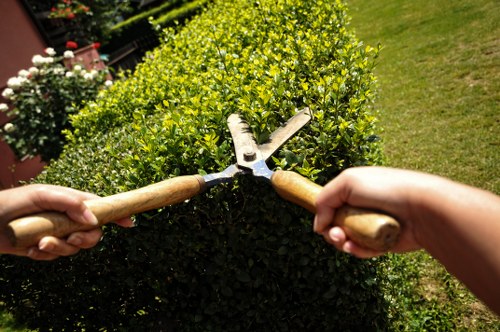 Another key area of sustainability is material purchasing. Where possible, we choose supplies with recycled content, minimal packaging, and a longer service life. That includes garden products that can be repaired, reused, or eventually recycled more easily. We also aim to keep the number of separate deliveries low, which helps reduce emissions and packaging waste. Combined with low-carbon vans and local transfer station use, these choices support a more environmentally responsible service overall. Gardeners Raynes Park therefore works not just to maintain attractive outdoor spaces, but to do so in a way that respects the resources used along the way.
 Sustainability is most effective when it is built into everyday practice rather than treated as an extra. That is why the team treats recycling, reuse, and lower-emission operations as standard parts of the service. Whether the job involves routine maintenance, a seasonal tidy, or a larger clearance, the aim is the same: keep waste streams clean, keep recoverable materials moving, and keep carbon impact as low as practical. With an emphasis on borough-style waste separation, links to local transfer stations, partnerships with charities, and the use of low-carbon vans, Gardeners Raynes Park offers a greener way to care for local gardens while helping support a more sustainable community.