
 020 3744 3778
Transform Your Exterior into a Zen Sanctuary with These Ideas
Posted on 10/09/2025
Transform Your Exterior into a Zen Sanctuary with These Ideas
Are you longing for a tranquil escape right outside your door? Imagine opening your window to a calming oasis that soothes your senses and brings peace to your day. Transforming your exterior into a Zen sanctuary isn't just a trending backyard idea--it's a proven way to enhance well-being, boost property value, and nurture your soul. From lush gardens to minimalist water features, begin your journey to serenity by exploring these inspiring, actionable ideas.
Why Create a Zen Sanctuary at Home?
More than ever, our outdoor spaces play a key role in our mental and emotional health. Stressful routines and overwhelming schedules have heightened the need for havens where we can unwind. Turning your exterior into a Zen-inspired sanctuary allows you to:
- Promote relaxation: Nature and tranquil settings are known to lower cortisol and anxiety levels.
- Tap into mindfulness: Purposefully designed exteriors encourage meditation and conscious living.
- Increase curb appeal: A thoughtfully planned Zen garden elevates the aesthetics and resale value of your property.
- Reconnect with nature: Integrating natural materials and elements nurtures an indispensable bond with the outdoors.
Ready to embark on this transformative journey? Below, you'll find comprehensive and innovative Zen sanctuary ideas for your exterior.
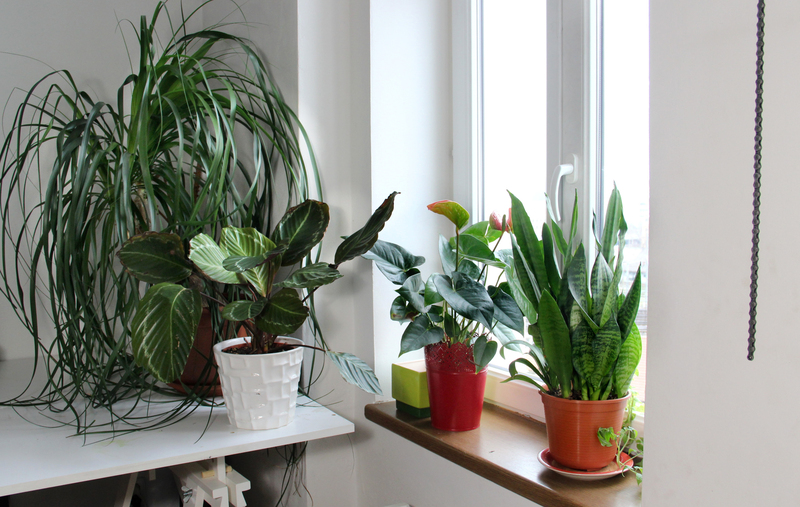
1. Define the Space: Layout & Boundaries
Creating a sense of enclosure is an essential step for any Zen-inspired outdoor retreat. Here's how to set the foundation:
- Natural fencing: Use bamboo, lattice screens, or living hedges to gently enclose your sanctuary and provide privacy without feeling closed off.
- Pebbled borders: Lay white gravel or fine pebbles in curved borders to subtly define the space.
- Strategic plantings: Bamboo, ornamental grasses, or dwarf trees serve as living boundaries, helping separate the Zen zone from the rest of the yard.
Tip: Less is more. Resist overcrowding the area, keeping the design simple and uncluttered to foster peace.
2. Harness the Power of Water
Zen philosophy intimately incorporates water, symbolizing the flow of life and nurturing tranquility. Integrate water features to upgrade your outdoor Zen sanctuary:
- Install a koi pond: Even a small pond with or without fish evokes gentleness and reflection.
- Place a stone basin (tsukubai): Traditionally used for ritual cleansing in Japanese gardens, these bowls provide soft water sounds while adding cultural flair.
- Add fountains or bubbling urns: Choose gurgling features that offer soothing, natural sounds to mask noise and create ambiance.
Pro tip: Select water features with subtle, gentle sounds for maximum relaxation, steering clear of overly loud falls or jets.
3. Thoughtful Landscaping: Embrace Minimalism
One of the core principles in Zen garden design is minimalism. Achieving a Zen feeling doesn't require abundant floral displays or elaborate ornaments. Instead, use:
- Gravel or sand: Arrange raked patterns in fine gravel or sand to emulate flowing water--an iconic element in Karesansui, or Japanese rock gardens.
- Boulders and rocks: Larger stones represent islands or mountains, introducing grounding elements. Arrange them asymmetrically for authenticity.
- Moss: Add velvety moss patches for texture and a lush, meditative palette of greens.
- Selective vegetation: Incorporate evergreens, dwarf conifers, azaleas, or Japanese maples for year-round beauty and seasonal interest.
Embrace simplicity--each element should have clear intention and purpose, enhancing harmony rather than overwhelming the senses.
4. Introduce Comfortable Seating for Meditation
To truly transform your yard into a Zen sanctuary, incorporate spaces for meditation, yoga, or quiet contemplation. Consider these suggestions:
- Stone or wooden benches: Place seats at secluded spots or beneath a shade tree for pockets of reflection.
- Outdoor cushions or mats: Arrange weather-resistant seating under a pergola or canopy for yoga or mindfulness practice.
- Hammocks or swinging chairs: Infuse a modern touch and create a cozy reading nook within your peaceful retreat.
Choose seats that blend with the landscape, favoring natural colors and materials over brightly hued plastics or metals.
5. Integrate Pathways for Mindful Walking
Pathways symbolize life's journey and invite mindful movement through your sanctuary. Design paths using:
- Irregular stepping stones: Flagstones, slate, or large river rocks artfully spaced invite slow, intentional steps.
- Gravel trails: Fine, crunchy gravel emits a calming sound with every footstep, heightening sensory awareness.
- Wooden planks or platforms: Float a deck above a moss garden or water to add interest and redirect flow.
Let paths meander organically rather than using straight lines, guiding visitors to pause and absorb their surroundings.
6. Cultivate Serenity with the Right Plants
Zen exteriors are characterized by carefully chosen flora with calming shapes, colors, and fragrances. Prioritize:
- Bamboo: A quintessential Zen plant--symbolic of strength and flexibility--that brings movement and sound as it rustles in the wind.
- Maple trees (Acer): Their elegant foliage provides vibrant color in fall and dappled shade in summer.
- Ornamental grasses: Add gentle sway and textural contrast to hardscape.
- Evergreens (boxwood, juniper, pine): Offer structure, privacy, and year-round lushness.
- Moss and groundcovers: Keep lawns to a minimum with soft, walkable moss or low-growing carpets.
For fragrance, add lavender, jasmine, or gardenia sparingly. Keep in mind that a subdued color palette is most conducive to calm.
7. Play with Lighting for Ambiance
Extend the serenity of your Zen sanctuary into the evening with mindful lighting schemes:
- Lantern-style lamps: Traditional stone or wooden Japanese lanterns (toro) cast soft pools of light and add authenticity.
- Solar path lights: Define walkways and highlight garden features with gentle, energy-efficient glows.
- String or fairy lights: Weave among bamboo clumps or trees for a starry-night effect.
- Spotlights: Showcase boulders, specimen trees, or water features for visual drama after dark.
Avoid harsh, white lighting. Opt for warm tones and diffused sources to maintain a tranquil ambiance.
8. Add Meaningful Decor--But Keep It Minimal
Zen sanctuaries are not devoid of art but approach decor with intention. Select a few key pieces such as:
- Stone statues: Buddha or pagoda sculptures promote soulful calm, but use sparingly to avoid clutter.
- Wind chimes or bells: Choose soft, meditative tones to complement natural sounds.
- Sand or gravel trays: Place on tabletops for miniature Zen garden play during tea or meditation breaks.
- Water bowls or birdbaths: Welcome wildlife and symbolically cleanse the spirit.
Keep ornamentation delicate and meaningful, favoring empty space over busy displays.
9. Foster Wildlife and Connection with Nature
Welcoming birds, butterflies, and pollinators can enrich your connection to the environment and strengthen the sanctuary's purpose. Ways to nurture outdoor life include:
- Native plantings: Support biodiversity and require less maintenance.
- Shallow birdbaths: Offer clean water for wildlife without attracting mosquitoes.
- Low, dense shrubs: Provide shelter and foraging opportunities for small creatures.
- Leave areas natural: Allow a corner to grow wild as a microhabitat.
Balance manicured with wild elements for a harmonious blend of control and freedom--core tenets of Zen.
10. Incorporate Scent and Sound for Sensory Harmony
Evoke relaxation with an environment that engages your senses:
- Plant aromatic species: Lavender, rosemary, and jasmine lend soothing fragrance during meditative moments.
- Add wind chimes or water features: Gentle motion and rhythm heighten auditory pleasure.
- Crushable herbs as groundcover: Thyme or mint release scent when walked upon, subtly revitalizing the air.
- Birdsong and natural music: Install feeders to invite musical feathered guests.
Curate sensory experiences intentionally, avoiding overwhelming or clashing elements.
11. Create Indoor-Outdoor Flow
For the ultimate Zen sanctuary, blur the boundary between inside and outside:
- Sliding glass doors: Open up main living areas to the sanctuary, extending sightlines and access.
- Decks or patios with similar flooring: Use stone, tile, or wood that continues outdoors to harmonize the aesthetic.
- Outdoor rugs and throws: Bring the comforts of indoors out, without sacrificing the simplicity of Zen style.
Use repetition and continuity in materials, colors, and design to foster seamlessness for mind and movement.
12. Embrace the Wabi-Sabi Philosophy
Zen sanctuaries often celebrate imperfection, simplicity, and natural aging--a concept known as Wabi-Sabi. Express this by:
- Using weathered wood and aged stone: Allow materials to patina with time.
- Repurposing objects: Old pots and lanterns gain character through gentle wear.
- Accepting asymmetry: Place features and plants off-center for an authentic, earthy balance.
The sanctuary becomes not just a garden, but a living metaphor for mindful acceptance and beauty in nature's cycles.

Practical Steps to Begin Your Zen Exterior Transformation
Feeling inspired? Here's your step-by-step plan:
- Assess your current space: Take stock of sunlight, existing plants, and privacy needs.
- Choose your focus: Decide if you want a meditative sitting area, a Karesansui garden, or a lush corner for wildlife.
- Draw a simple sketch: Map out pathways, focal points, water features, and zones.
- Source materials: Look for local plants, reclaimed stone, and natural wood for authenticity and sustainability.
- Work in layers: Install paths and boundaries first, then add plants and decorative touches.
- Iterate and enjoy: Embrace change! Your Zen sanctuary will evolve with seasons and your own growth.
Conclusion: Your Path to Outdoor Tranquility
Transforming your exterior into a Zen sanctuary is less about elaborate landscaping and more about fostering intention, simplicity, and harmony with nature. Whether you start with a pebble border, a soothing water bowl, or a quiet meditation seat beneath a swaying maple, each step brings you closer to a stress-free, beautiful, and meaningful outdoor retreat.
Begin your transformation today, and discover the power of a Zen-inspired exterior sanctuary for your mind, body, and soul.
```Latest Posts
Cultivate your skills with these 9 tips for gardening beginners
Redefining Gardening with the Versatility of Containers
Safeguarding Your Green Oasis from Nature's Fury