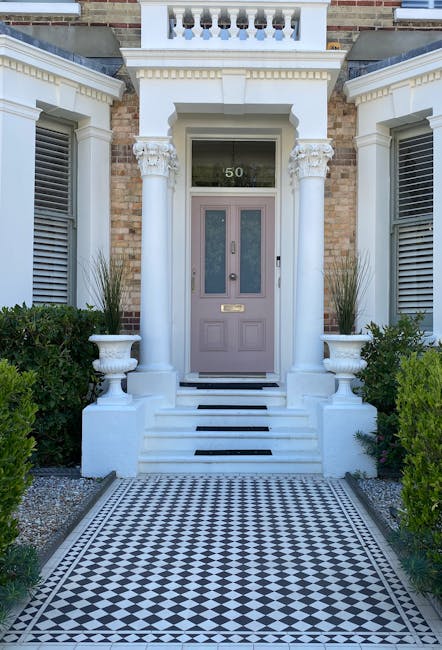
SW20 Front Garden Designs and Gardeners Who Can Install Them
If you are looking at your front garden in SW20 and thinking, "This could do so much more," you are not alone. A front garden sets the tone before anyone even reaches the door. It can make a home feel tidy, welcoming, private, and a little more characterful - or, if neglected, it can quietly do the opposite. This guide on SW20 front garden designs and gardeners who can install them is here to help you move from vague ideas to a plan that actually works in real life, on a real street, with real weather and real budgets.
We will look at design ideas that suit the local setting, the kinds of gardeners and landscapers who can install them, and the practical details people often overlook: drainage, maintenance, access, planting choices, and whether you want something low-key or a front garden that really lifts the whole property. No fluff. Just the stuff that helps you make a confident decision.
Table of Contents
- Why SW20 front garden designs and gardeners who can install them Matters
- How SW20 front garden designs and gardeners who can install them Works
- Key Benefits and Practical Advantages
- Who This Is For and When It Makes Sense
- Step-by-Step Guidance
- Expert Tips for Better Results
- Common Mistakes to Avoid
- Tools, Resources and Recommendations
- Law, Compliance, Standards, or Best Practice
- Options, Methods, or Comparison Table
- Case Study or Real-World Example
- Practical Checklist
- Conclusion
- Frequently Asked Questions
Why SW20 front garden designs and gardeners who can install them Matters
Front gardens do more than look pretty. In SW20, where homes range from compact terraces to wider suburban plots, the front space often has to do a few jobs at once: improve kerb appeal, manage water run-off, create a welcoming entry, and still stay easy to live with. A design that works in principle can fall apart fast if it is awkward to maintain, too fussy for the climate, or not installed properly from the start.
That is where skilled gardeners make the difference. A good installer will not just plant a few shrubs and call it done. They will look at soil condition, light levels, drainage, boundaries, access, and how much time you realistically want to spend on upkeep. In practice, that means your front garden has a much better chance of staying attractive through wet winters, dry spells, and those weeks when everything seems to grow at once. To be fair, that is when most people notice the value of proper planning.
There is also a sense of order and calm that comes from getting the front right. You know it when you see it. The path feels clear, the planting has rhythm, and the space does not scream for attention. It simply works.
If you are also thinking about the wider garden beyond the front boundary, it can help to look at broader gardening services and landscaping support so the front garden connects naturally with the rest of the property. A front garden rarely stands alone, after all.
How SW20 front garden designs and gardeners who can install them Works
A front garden project usually follows a fairly simple process, though the details matter. First comes the discussion: what do you want the space to do, how much maintenance can you realistically handle, and what sort of style suits the house? Then comes a site review. A gardener or landscaper will check the soil, slopes, drainage, existing hard surfaces, visibility from the road, and any awkward access points.
Next, the design gets shaped around use. Some front gardens need mostly structure: a tidy path, a few hard-wearing evergreen plants, and a clean border. Others need more softness and seasonal colour. If parking space is tight, the design may need to protect sight lines. If the garden is exposed, wind-tolerant planting and low boundaries become more important. If you have dogs or children, the layout needs to be a bit tougher and more open. You get the idea.
The installation stage may include removing old shrubs, improving soil, building edging, laying gravel or paving, fitting fencing or low walls where appropriate, and planting according to sun and shade. In some cases, a front garden includes practical extras such as patio cleaning for existing hard landscaping, fencing for security or privacy, or a small amount of decking services work if the entrance area is being reworked as part of a wider scheme.
The most useful thing to understand is this: a good installation is not only about what goes in, but how it is built to last. That includes spacing, soil prep, root room, and water management. Miss those bits and the garden starts asking for constant patching.
Key Benefits and Practical Advantages
A well-designed front garden can improve the whole feel of a home. It is one of those upgrades that people see instantly, even if they cannot quite explain why it looks better. Here are the main benefits in plain English.
- Better kerb appeal: A neat, balanced front space can make a property feel more cared for and more welcoming.
- Lower maintenance: Good design reduces the amount of weeding, pruning, and replacing you will need to do later.
- Improved drainage: Thoughtful layouts can help surface water move away properly instead of pooling near the house.
- More privacy: Hedges, screening plants, and boundary features can soften views without making the space feel closed in.
- Seasonal interest: With the right planting mix, the garden can look good in winter as well as summer.
- Safer access: Clear paths, non-slip surfaces, and sensible edging help people move in and out easily.
There is also a quieter benefit: mental ease. A tidy front approach makes arriving home feel calmer. That sounds small, but you notice it on dark evenings, when the rain is coming sideways, and the keys are in your hand. Suddenly a cluttered front garden feels like one more thing to manage.
For homeowners who want a low-effort result, it is often worth reading ideas such as easy-care garden ideas and ground cover planting options. These can be especially useful in front gardens where you want the space to look finished without turning into a weekly chore.
Who This Is For and When It Makes Sense
This kind of project suits a lot of different people. Some want to refresh a tired frontage before selling or renting. Others simply want a front garden that no longer looks like an afterthought. And some are starting from scratch after paving, overgrown shrubs, or years of patchy maintenance. Truth be told, front gardens often get neglected because they are so visible that small imperfections feel magnified.
It makes sense to install or redesign a front garden if you are:
- tired of weeding, bare patches, or mismatched planting
- trying to improve a home's first impression
- looking for a tidy solution that works in all seasons
- hoping to add privacy without making the entrance feel heavy
- dealing with poor drainage, compacted soil, or damaged edges
- wanting a safer, clearer route to the front door
It also suits people who do not really want to DIY the whole thing. There is no shame in that. A lot of front garden work is physically awkward, especially where there is old concrete, stubborn roots, or a narrow path that makes material handling annoying. One wheelbarrow too many and suddenly the weekend is gone. Better to leave that part to gardeners who do it every day.
If your current garden has become overgrown, messy, or just plain uninviting, a structured reset through a garden makeover approach can be a good starting point.
Step-by-Step Guidance
- Start with the job the garden must do. Decide whether you need privacy, colour, a low-maintenance entrance, better drainage, or all four.
- Measure what you actually have. Front gardens are often smaller than they feel from the street. Accurate measurements stop over-design.
- Assess the conditions. Check sunlight, shade, wind exposure, and whether the soil is heavy clay, sandy, or compacted.
- Choose a style. Simple contemporary, cottage-style, formal, wildlife-friendly, or a mixed scheme. The best fit usually follows the house rather than fighting it.
- Plan hard landscaping first. Paths, steps, edging, gravel, and borders should be sorted before planting.
- Select plants with purpose. Use structure plants for year-round shape, then layer with seasonal colour or ground cover.
- Think about upkeep honestly. If you know you will not prune often, choose plants and finishes that forgive the occasional lapse.
- Install with the future in mind. Leave room for growth. A neat small shrub today can become a hedge-like beast in two years.
- Finish with detail. Clean edging, fresh mulch, good spacing, and tidy transitions between path and planting make the work feel complete.
A local gardener who knows front garden installations should also talk you through seasonal timing. Some projects are best tackled in cooler, wetter months when planting establishes more comfortably. Others are better in spring or early summer when you can see what the space needs. It depends. A bit frustrating, yes, but also sensible.
If you need inspiration for vertical interest, shady corners, or a tighter frontage, helpful reading includes vertical garden ideas and climbers for shaded spaces. Those are especially handy where ground area is limited.
Expert Tips for Better Results
Small choices make a big difference in front gardens. The best results usually come from restraint, repetition, and a willingness to keep things practical. Here are a few field-tested principles that tend to work well in SW20-style residential settings.
- Repeat materials and colours. If your path, edging, and planting all shout different things, the garden can feel unsettled.
- Use evergreens sparingly but smartly. They give year-round structure without demanding constant replanting.
- Keep the front path readable. People should know where to walk within a second or two. No guesswork.
- Mix heights. Low planting near the path, medium height in the border, and one or two slightly taller anchor points usually looks balanced.
- Plan for winter first. If the space still looks tidy in January, it will probably look good all year.
- Choose low-fuss ground cover where appropriate. It helps suppress weeds and ties a scheme together. One of the better companion reads is versatile ground cover plants for UK gardens.
One more thing: do not overcrowd the border. It is tempting. People see a fresh planting bed and think, "More plants, more impact." Sometimes yes. Often no. Breathing space matters. Plants need room to mature, and the eye needs somewhere to rest.
If your front garden is exposed to harsh weather, it is worth thinking about resilience too. A bit of help from wind defence ideas and winter protection tips can keep new planting from getting battered in the first season.
Common Mistakes to Avoid
Most front garden problems do not come from one dramatic error. They come from a handful of small ones repeating themselves. Here are the usual suspects.
- Choosing plants for looks only. A plant that looks lovely in a pot may be wrong for a windy, shallow, or shaded front border.
- Ignoring drainage. If water has nowhere to go, the garden will show it. Soon enough, the paving, roots, or borders complain.
- Overcomplicating the design. Too many materials, too many colours, too many focal points. The result can feel busy rather than refined.
- Blocking access or sight lines. Big shrubs near driveways or paths can cause nuisance or even safety issues.
- Forgetting maintenance access. If you cannot reach the back of a border without doing a circus move, it will become annoying very fast.
- Leaving old roots, weeds, or ivy behind. Hidden problems resurface. Often at the least convenient moment.
In many front garden makeovers, removing invasive growth is part of the job. If ivy has taken hold, for example, the article on removing ivy from your space explains why a clean start can save a lot of trouble later.
Another easy mistake is to forget how a garden will look from inside the house as well as from the road. That view through the kitchen window matters more than people admit. You will notice it every day, not just when visitors arrive.
Tools, Resources and Recommendations
Good front garden installation does not require a huge toolkit in the homeowner's hands, but the people doing the work will rely on the right equipment and materials. Expect a professional approach to include proper site preparation, cutting tools, spades, wheelbarrows, edging tools, soil improvers, and equipment for levelling or lifting where needed. For more general preparation guidance, essential gardening gear gives a useful sense of what quality setup looks like.
Useful supporting resources and services often include:
- Soil improvement and composting: Especially important where old beds are tired or compacted.
- Weed control: A proper weed strategy is essential before planting, not after.
- Hedge trimming and shaping: Helpful where the front garden uses screening or boundary planting.
- Patio or path cleaning: A clean hard surface can make the whole frontage feel refreshed.
- Lawn care or lawn replacement: If the front garden includes grass, it needs realistic maintenance planning.
Depending on the design, the most relevant pages for a homeowner to review may be garden maintenance, lawn care, lawn mowing, and hedge trimming. If the front area includes paving or a small sitting area, patio cleaning is often a sensible part of the refresh.
And if you are deciding between a tidy planting makeover and a more structural rebuild, a short conversation with a local specialist usually settles it. Quite often, the right answer is a mix of both.
Law, Compliance, Standards, or Best Practice
Front garden work does not usually involve heavy compliance, but there are still sensible standards to follow. A good gardener will work carefully around boundaries, visibility for drivers and pedestrians, utility access, and any shared rights of way. If the project includes trees, larger hedges, or boundary structures, then the installer should think about safety, future growth, and the impact on neighbouring properties.
For example, if a design includes substantial planting near walls or fences, the root growth and mature spread should be considered from day one. That is not about being overcautious; it is just good practice. Likewise, if old hard landscaping is being altered, drainage and fall direction should be handled sensibly so water does not sit near the house. British weather tends to expose weak planning quickly. It always does.
Homeowners should also expect the work to be carried out with reasonable care and tidy waste removal. If any service provider is managing materials, machinery, or potentially hazardous tasks, ask how they handle safety, insurance, and access. A trustworthy team should be happy to explain their approach in plain language. If you want to see how a provider frames that, the pages on insurance and safety, health and safety policy, and terms and conditions are useful reference points.
Best practice, in simple terms, means the project should be safe, planned, proportionate to the site, and designed to remain manageable after the installers leave. That part matters more than people think.
Options, Methods, or Comparison Table
Not every front garden needs the same treatment. Some just need a smart tidy-up. Others need a full rebuild. Here is a practical comparison to help you judge which route fits your situation.
| Approach | Best For | Typical Features | Maintenance Level |
|---|---|---|---|
| Simple refresh | Front gardens that are basically sound but untidy | Weeding, edging, pruning, mulch, light planting | Low to moderate |
| Planting-led redesign | Homes needing more colour, structure, or softness | New borders, shrubs, perennials, ground cover, seasonal interest | Moderate |
| Hard landscaping upgrade | Problem fronts with poor access, drainage, or tired paving | Paths, edging, gravel, steps, paving repair, boundary work | Low once installed well |
| Full front garden makeover | Overgrown, neglected, or poorly laid out spaces | Clear-out, redesign, hardscape changes, planting plan, finishing details | Varies, but usually designed to be manageable |
In many SW20 homes, the best choice is not the biggest one. It is the one that fixes the real problem without creating new maintenance headaches. That sounds obvious, but it gets missed all the time.
Case Study or Real-World Example
Imagine a typical front garden on a residential SW20 street: narrow path, tired patchy lawn, a couple of bulky shrubs, and borders that have become a bit of a weed magnet. From the road, it looks fine at a glance. Up close, though, it feels messy and slightly cramped.
A practical redesign might begin by removing one oversized shrub, lifting the worst weeds, and defining the path with sharper edging. The gardener could then introduce a compact evergreen structure plant, a few hardy perennials for seasonal change, and a low ground cover to reduce bare soil. If the house front gets strong wind, the planting choice would lean toward resilient species rather than anything too delicate. If the front is shaded, the palette might shift to foliage textures rather than flowers alone.
The result is not a dramatic "before and after" in the glossy-magazine sense. It is more useful than that. The frontage feels wider, the entrance is clearer, and the owner stops dreading what the garden will look like after a week of rain. By late afternoon, when the light drops and the planting catches the side sun, the space feels calmer. A small thing, maybe. But a real one.
If the design also needs a broader reset, a professional team experienced in about us style service work and structured renovations can usually scale the job sensibly rather than overcomplicate it. And if the garden has become genuinely unruly, there is a useful companion guide on bringing a neglected garden back to life.
Practical Checklist
Use this quick checklist before you book or start:
- Do I know what the front garden needs to do: tidy, soften, screen, or simplify?
- Have I checked sunlight, shade, wind, and drainage?
- Do I want low maintenance, or am I happy to prune and replant seasonally?
- Is there enough room for mature plant growth?
- Have I thought about access to the front door and any parking visibility?
- Will the materials suit the house style and the rest of the frontage?
- Have I budgeted for both installation and ongoing upkeep?
- Do I understand what will happen to old soil, roots, paving, or waste?
- Is the installer clear about insurance, safety, and the scope of work?
- Have I asked for a design that will still look good in winter?
One small tip: walk outside in the morning and again at dusk. The garden can feel very different at those times, and that difference can change the whole design brief.
Conclusion
SW20 front garden designs and gardeners who can install them are really about turning an overlooked space into one that feels useful, attractive, and easy to live with. The best front gardens do not rely on gimmicks. They rely on clear thinking: the right materials, the right planting, sensible access, and a layout that respects how the home is actually used.
If you want a space that looks good from the pavement and still feels manageable in November, start with a practical plan and a gardener who understands installation as well as aesthetics. That combination is what keeps a front garden from becoming yet another ongoing task. And honestly, once it is done well, you feel it every time you come home.
Get a free quote today and see how much you can save.
For a friendly next step, you can also explore pricing and quotes or make an enquiry through the contact page. Small improvements add up, and a front garden done properly has a habit of lifting the whole house.
Frequently Asked Questions
What are the best front garden designs for SW20 homes?
The best designs are usually practical, tidy, and suited to the house style. In SW20, that often means compact planting, clear paths, low maintenance borders, and good drainage rather than anything too elaborate.
Can gardeners install both planting and hard landscaping in a front garden?
Yes. Many gardeners and landscapers can handle planting, edging, soil preparation, paving repairs, small boundary work, and other installation tasks as part of one project. The key is checking what they actually offer before you start.
How much maintenance does a front garden usually need after installation?
That depends on the design. A simple gravel-and-evergreen scheme may need only light upkeep, while a more ornamental border will need more pruning, feeding, and seasonal tidy-ups. Good design should match your time, not someone else's ideal.
What should I ask before hiring someone to install my front garden?
Ask about the scope of work, plant choices, drainage, waste removal, insurance, timing, and how much aftercare the design will need. It also helps to ask what happens if the site throws up unexpected issues. It often does.
Do front gardens need planning permission in the UK?
Usually not for straightforward planting or basic garden improvements, but some front garden changes can involve local rules or permissions, especially where paving, drainage, boundary structures, or access issues are involved. If in doubt, ask a professional to review the plan carefully.
What plants work well in a small front garden?
Compact shrubs, ground cover, ornamental grasses, evergreen structure plants, and seasonal perennials often work well. For more ideas, the articles on ground cover plants and containers are useful starting points.
How do I make a front garden look neat all year?
Use evergreen structure, repeat a few plant types, keep edges defined, and avoid overcrowding. Winter interest matters more than people think, so choose planting that still looks intentional in colder months.
Is it worth cleaning existing paving or paths before redesigning the front garden?
Often yes. Clean hard surfaces make a big visual difference and help the new planting stand out. If paving or a small front terrace is part of the space, patio cleaning can be a surprisingly effective first step.
Can a front garden help with privacy?
Yes, but usually in a soft way. Low hedges, layered planting, and carefully placed screening can reduce exposure without making the frontage feel closed off or heavy.
What if my front garden is shady or windy?
Then plant choice matters even more. Shade-tolerant species, sturdy evergreens, and wind-resistant structure planting are usually the safest route. A gardener should be able to design around those conditions rather than fighting them.
How long does a front garden installation take?
It varies widely depending on the size of the space and whether hard landscaping is included. A simple refresh can be quick, while a full redesign with clearing, preparation, and new features will take longer. A proper installer should give you a realistic timeline.
Where can I find more support if my front garden needs wider work?
If the project is becoming more than a planting refresh, it may help to look at related services such as garden maintenance, gardening services, or landscaping. That way you can match the service to the actual job, which is usually the smartest move.