Raynes Park station garden maintenance guide for local gardeners
If you garden near Raynes Park station, you already know the routine: a bit of shade here, a windy corner there, a patch that dries out faster than you expected, and a hedge that seems to grow two inches every time you look away. This Raynes Park station garden maintenance guide for local gardeners is designed to help you keep things tidy, healthy, and genuinely pleasant to spend time in, whether you manage a compact front plot, a shared boundary, or a fuller family garden close to the station. Truth be told, station-area gardens can be very rewarding once you get the rhythm right.
In this guide, you'll find a practical breakdown of what matters locally, how maintenance really works through the seasons, where people usually go wrong, and which tasks are worth doing yourself versus calling in help for. You'll also find useful internal resources for hedges, lawns, patio care, garden makeovers, and more.
Table of Contents
- Why Raynes Park station garden maintenance matters
- How garden maintenance works in this part of Raynes Park
- Key benefits and practical advantages
- Who this is for and when it makes sense
- Step-by-step guidance
- Expert tips for better results
- Common mistakes to avoid
- Tools, resources and recommendations
- Law, compliance, standards, or best practice
- Options, methods, or comparison table
- Case study or real-world example
- Practical checklist
- Conclusion
- Frequently asked questions
Why Raynes Park station garden maintenance guide for local gardeners Matters
Garden maintenance around Raynes Park station is not just about keeping things neat for the sake of appearances. It is about working with a busy residential pocket, variable light, regular foot traffic, changing weather, and often limited time. Gardens close to transport links tend to need a bit more structure, because they can be viewed quickly from the street and used heavily by families, commuters, pets, or tenants.
There is also the local climate to think about. In South West London, you can get pockets of shelter and then sudden exposure, especially where buildings channel wind. Damp shade can encourage moss, while sunny boundaries may dry out in a hurry. A maintenance plan helps you stay ahead of all that rather than reacting when the garden starts looking tired.
That is the real point here. Good maintenance protects investment, keeps planting healthier, and makes the outdoor space easier to live with. A garden that looks manageable is more likely to stay manageable. A neglected one... well, everyone knows how quickly weeds, ivy, and self-seeded bits can take over.
If your space has become a bit unruly, a broader reset can help. Many homeowners start with a garden makeover approach, then move into a lighter maintenance routine once the basics are back under control.
How Raynes Park station garden maintenance guide for local gardeners Works
Think of maintenance as a repeating cycle rather than a one-off job. The best results usually come from combining routine care, seasonal checks, and occasional specialist work. In practical terms, that means you are not trying to do everything every week. You are doing the right things at the right time.
A typical maintenance routine for a garden near Raynes Park station usually includes:
- lawn care and mowing
- hedge trimming and shaping
- weeding and border tidying
- pruning shrubs and small trees
- patio and path cleaning
- soil improvement and mulching
- seasonal plant protection
- checking fences, decking, and edges for wear
The point is not to make every bed look like a show garden. It is to keep growth balanced, surfaces safe, and planting resilient. If you are choosing what to prioritise first, start with the tasks that affect structure: hedges, lawns, drainage, and access routes. Decorative details can follow once the garden is stable.
For many local homeowners, the easiest way to avoid drift is to combine everyday upkeep with occasional support from a professional garden maintenance service. That works especially well if you have a busy household, a larger boundary hedge, or a garden that needs regular but not constant attention.
Key Benefits and Practical Advantages
There are obvious benefits to keeping a garden tidy, but the less obvious ones matter just as much. Good maintenance often improves the feel of the whole property, not only the planting. You notice it when you walk outside on a damp morning and the paths are clean, the lawn is even, and nothing is leaning awkwardly into the walkway.
- Better plant health: regular pruning, feeding, and spacing reduce stress and disease pressure.
- Safer access: clear paths and patios reduce slips, trips, and snagging.
- More usable outdoor space: a garden that is easy to move through gets used more often.
- Stronger kerb appeal: tidy edges and shaped hedges instantly improve first impressions.
- Lower long-term effort: small jobs done early stop bigger, messier work later.
There is also a quiet financial logic to it. A neglected hedge or overgrown tree does not stay small just because you ignore it. It gets more expensive to deal with. To be fair, that is true of most garden problems: weeds, ivy, patchy grass, mossy paving, and tangled shrubs all cost more time when left alone.
If you are working on a tight budget, a lower-maintenance planting scheme can help. Ideas like resilient ground cover, containers, and simple hardscape features often reduce weekly effort without making the space dull. The article on budget-friendly, easy-care garden ideas is a helpful companion read here.
Who This Is For and When It Makes Sense
This guide is useful for a wide range of local gardeners. You do not need a huge garden, and you do not need to be highly experienced. In fact, some of the most useful maintenance habits are simple enough for beginners but important enough for seasoned gardeners too.
- Homeowners who want their front or back garden to stay presentable year-round
- Landlords managing rental properties near the station
- Busy families who need the garden safe and easy to use
- Retired gardeners who enjoy the work but want to avoid heavy lifting
- New movers who have inherited a garden that needs a plan
- Pet owners who need practical, durable planting and clear surfaces
It makes sense to review your garden maintenance when you notice one of these signs: the lawn is losing its shape, weeds are gaining ground, hedge lines look ragged, the patio has become slippery, or the planting is starting to feel crowded. If ivy has taken hold on walls, fences, or sheds, deal with that sooner rather than later. For that, it is worth reading this guide to removing ivy safely.
And if you are thinking, "Is this really that bad yet?"-that is exactly the question people ask right before a small issue becomes a Saturday-eating project. Happens all the time.
Step-by-Step Guidance
Here is a sensible, repeatable way to maintain a garden near Raynes Park station without letting the work pile up. You do not have to do it all in one day, thank goodness.
- Walk the garden properly. Start with a slow look at the whole space. Note where water sits, where plants are leaning, and which edges are untidy.
- Clear obvious debris. Remove fallen leaves, dead stems, broken twigs, and any litter caught in borders or behind pots.
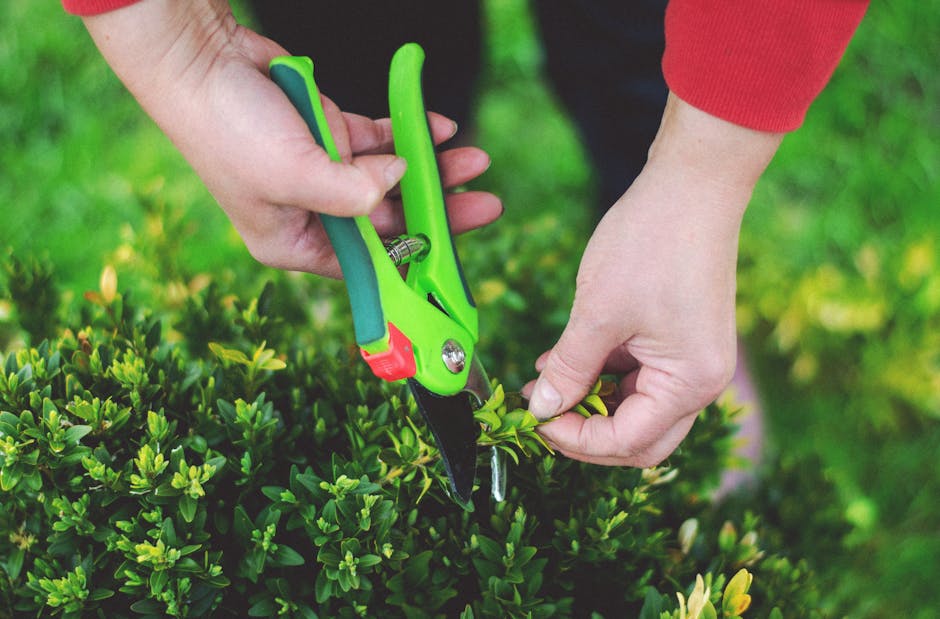
- Cut back what is out of shape. Trim hedges, overlong shoots, and anything blocking paths or windows. If you need a dedicated service for this, a hedge trimming service in Raynes Park can save a lot of time and improve the overall look very quickly.
- Deal with weeds before they seed. Pull them early, root and all where possible, and keep an eye on border edges, cracks, and fence lines.
- Mow or tidy the lawn. Keep mowing consistent rather than harsh. A stressed lawn usually looks worse after being cut too short.
- Refresh the soil surface. Add compost or mulch where needed to help moisture retention and reduce weeds.
- Clean hard surfaces. Sweep and wash patios, stepping stones, and seating areas to reduce algae and grime.
- Check seasonal needs. Protect tender plants in cold weather and water containers more often in warm, dry periods.
- Review structure. Look at fences, edging, trellises, and decking. Minor repairs are far easier than emergency fixes.
Small, regular tasks are easier to maintain than heroic weekend marathons. That is the secret. The garden rewards consistency more than enthusiasm, which is mildly annoying but undeniably true.
If your space includes lawns that have gone patchy, a more focused approach may be better. You may find the service pages for lawn mowing and lawn care useful when deciding what to handle yourself and what to outsource.
Expert Tips for Better Results
After years of seeing the same problems repeat, the best advice is usually the simplest. But simple does not mean basic. It means practical, repeatable, and suited to the way gardens actually behave.
- Trim little and often. A light hedge cut every so often is better than a severe hack once a year.
- Match plants to the site. A shaded, dry corner needs different choices from a sunny, exposed front garden.
- Build around maintenance, not against it. If a border is impossible to weed or a hedge is too tall to manage safely, redesign it.
- Use mulches strategically. Bark, compost, or leaf mulch can calm a bed down and reduce work.
- Watch water flow. Poor drainage leads to moss, root stress, and slippery surfaces.
One of the best low-effort wins is ground cover. It does not look flashy at first, but it quietly fills gaps and suppresses weeds, which is exactly what a busy local garden often needs. If you want ideas, have a look at the versatile ground cover plant guide and the related article on ground cover plants for UK garden beauty.
Another helpful trick: work from the garden edges inward. If the perimeter is neat, the whole space feels calmer even before you finish the rest. It is a tiny thing, but it changes how the garden reads from the house, from the path, and from the street.
If your garden is windy or exposed in places, especially around taller buildings or open corners, this guide to wind defence in the garden is worth a look.
Common Mistakes to Avoid
Most garden maintenance problems are not caused by one big error. They come from a few small habits repeated over time. Nothing dramatic, just a sort of slow drift. The good news is that these are easy to correct once you spot them.
- Cutting too much at once: hard pruning or scalping lawns can shock plants and make recovery slower.
- Ignoring hidden areas: behind sheds, along fences, and under shrubs is where trouble starts.
- Letting hedges grow unchecked: once they spread, they take longer to restore and can become awkward to manage safely.
- Using the wrong plant choices: attractive plants that constantly fail in your conditions are maintenance problems in disguise.
- Cleaning only visually obvious areas: moss, algae, and compacted debris often sit where people do not look first.
Another common one is overfilling a garden. Too many plants, ornaments, containers, or features can make maintenance feel exhausting. If you are aiming for a calmer, easier space, less can genuinely be more. The idea of a simple redesign is explored well in this seating and garden comfort article, which is surprisingly useful if you are trying to make the space more lived-in rather than more crowded.
And yes, leaving ivy alone because it looks "sort of charming" can be a trap. Charming is nice. Structural damage is not.
Tools, Resources and Recommendations
You do not need a shed full of specialist equipment to maintain a Raynes Park garden properly. You do, however, need reliable basics that make the work easier and safer. A decent set of tools often saves more time than it costs.
| Task | Useful tools | Why it helps |
|---|---|---|
| Hedge trimming | Manual shears, hedge trimmer, gloves | Keeps edges neat and reduces uneven growth |
| Lawn care | Mower, edging tool, rake | Improves finish and prevents patchy edges |
| Weeding | Hand fork, hoe, kneeler | Makes root removal easier and less tiring |
| Patio cleaning | Stiff brush, bucket, pressure-wash where suitable | Removes grime and reduces slip risk |
| Border care | Spade, compost, mulch, secateurs | Supports healthy soil and tidy shape |
If you are building your toolkit from scratch, the essential gear guide for dedicated gardeners is a sensible place to start. For people who prefer simpler upkeep, containers can also reduce workload and give more control over soil and watering. That approach is covered nicely in this containers article.
For bigger jobs, especially if the garden has multiple issues at once, it can be smarter to use a broader gardening service rather than chasing each problem separately. That is where general gardening services and landscaping support may become useful.
Law, Compliance, Standards, or Best Practice
Garden maintenance is not usually about complex legal rules, but there are still sensible standards and duties to keep in mind. If you are working on your own property, the main concern is good practice: safe use of tools, responsible disposal of waste, and avoiding damage to neighbouring boundaries, paths, or overhanging trees.
For trees and larger shrubs, be cautious. If a tree has obvious structural concerns, dead branches, or is interfering with buildings or cables, specialist input is often the safer route. It is not worth improvising with a ladder and wishful thinking. A proper tree surgery service is the better option when the risk is beyond routine pruning.
If you are hiring help, a trustworthy provider should be clear about health and safety practices, insurance, pricing, and terms. It is also reasonable to ask how waste is handled, whether access needs to be protected, and what happens if weather delays work. Those are normal questions, not awkward ones. You can review the company's health and safety policy, insurance and safety information, terms and conditions, and payment and security details before booking.
For people wanting transparency before any job starts, pricing and quotes is the most practical next step.
Options, Methods, or Comparison Table
There are usually three sensible ways to manage a garden near Raynes Park station. The right choice depends on time, garden size, and how much upkeep you are comfortable taking on yourself.
| Approach | Best for | Pros | Trade-offs |
|---|---|---|---|
| DIY routine care | Small gardens, confident gardeners, low budgets | Low cost, full control, flexible timing | Easy to fall behind; bigger jobs can become tiring |
| Mixed approach | Busy households, medium gardens, seasonal needs | Balances cost and convenience; good for hedges and lawns | Needs a bit of planning and scheduling |
| Full-service support | Large gardens, overgrown spaces, limited time | Fast results, better for heavy or specialist tasks | Higher cost than DIY |
In real life, most local gardens work best with a mixed approach. You do the lighter jobs you enjoy, and you bring in help for the work that is repetitive, awkward, or beyond your equipment. That is especially true for hedge work, lawn recovery, and weather-stressed borders.
If you are deciding what to outsource first, the most commonly helpful pages are lawn mowing, patio cleaning, and fencing when boundaries need attention too.
Case Study or Real-World Example
Here is a realistic example based on the sort of garden many local residents deal with near the station. A narrow back garden had a tired lawn, one overgrown hedge, a patchy patio, and borders that had drifted into a mix of weeds and self-seeded plants. Nothing dramatic. Just one of those spaces that slowly started asking for more effort than it gave back.
The first pass focused on structure: hedge reduction, border clearing, and patio cleaning. After that, the lawn was thinned out where it had become mossy and compacted, then brought back into a more manageable routine. The borders were simplified with a few hardy plants and extra mulch. Not fancy, but it worked. The garden began to feel usable again, which is usually the real goal.
What changed most was not just the appearance. It was the feeling. The owners started using the space after work, rather than avoiding it because of the "I really should sort that out" feeling. That psychological shift matters more than people think. A tidy garden invites use. An untidy one tends to be avoided.
If a garden has gone past the point of quick fixes, a broader reset may be the best route. The neglect-to-nurture makeover guide is useful for understanding how to turn a problem space into something calmer and easier to manage.
Practical Checklist
Use this checklist as a quick seasonal or monthly review. It keeps maintenance grounded and stops minor jobs from drifting.
- Check the lawn for uneven growth, moss, and bare patches
- Trim hedges before they block paths or windows
- Remove weeds from borders, paving cracks, and fence lines
- Clear leaves and debris from corners, drains, and hidden spots
- Inspect trees and shrubs for dead, crossing, or damaged growth
- Wash patios, paths, and seating areas if algae is building up
- Top up mulch or compost where soil looks tired
- Water containers and young plants during dry spells
- Protect tender plants in cold snaps or frosty weather
- Check fences, edging, decking, and support structures for wear
- Plan the next maintenance task before the current one gets forgotten
If pets use the garden, it is worth factoring in wear patterns, digging habits, and safe planting choices. There is some genuinely helpful advice in this pet-friendly gardening guide.
Get a free quote today and see how much you can save.
Conclusion
A good garden near Raynes Park station does not happen by accident. It is built through simple, steady maintenance, a bit of planning, and a willingness to act before problems spread. Keep the structure tidy, choose plants that match the site, and give the hard surfaces and edges the same attention as the borders. That balance makes the whole space feel more settled.
Whether you are dealing with a compact front garden, a family back garden, or a property that needs regular upkeep, the right routine will save time and frustration. And honestly, the difference is visible pretty quickly. One tidy hedge, one clean patio, one sensible mowing cycle... the whole place starts to breathe again.
When you are ready to take the next step, you can learn more about the team on the about us page or get in touch through the contact page. A well-kept garden is not just easier to live with. It is nicer to come home to, and that counts for a lot.
Frequently Asked Questions
What is the best maintenance routine for a garden near Raynes Park station?
The best routine is a mix of light weekly upkeep and seasonal jobs. Keep the lawn, hedges, weeds, and paths under control first, then add pruning, mulching, and planting adjustments as needed.
How often should hedges be trimmed in a local garden?
That depends on the hedge type and growth rate, but many hedges benefit from one or two trims a year. Fast growers may need more frequent shaping to stay tidy and not spill into paths or neighbouring spaces.
Can I handle most garden maintenance myself?
Yes, if the garden is small and you have the time, basic maintenance is very manageable. The harder jobs are usually tall hedges, larger trees, overgrown areas, and anything involving awkward access or safety risks.
What is the fastest way to improve a tired-looking garden?
Start with the visible basics: mow the lawn, edge borders, remove weeds, clear debris, and clean patios or paths. Those jobs often change the feel of the space immediately, even before planting is updated.
Do Raynes Park gardens need special care because of local conditions?
They often do need a bit of extra awareness. Shade, wind, dry pockets, and damp corners can all appear in the same garden. Observing where plants struggle is usually more useful than following a generic routine.
What should I do about ivy that has spread too far?
Do not just rip it off quickly if it is attached to walls or structures. Careful removal is safer, especially where stems have rooted deeply. A practical guide is available in the linked ivy removal article above.
Is patio cleaning really part of garden maintenance?
Definitely. Clean patios and paths improve safety, reduce algae, and make the whole space feel looked after. In many gardens, hard landscaping is half the visual picture.
How can I make maintenance easier if I have a busy schedule?
Use low-maintenance planting, mulch borders, simplify plant counts, and rely on a mixed approach. Doing a little often is much easier than attempting a massive catch-up every few months.
When should I call in a professional gardener?
Bring in help when the work is becoming too time-consuming, too physical, or too technical. That often includes hedge trimming, lawn recovery, tree work, fencing, and larger clean-up jobs.
Are there safety issues I should think about before starting maintenance work?
Yes. Wear suitable gloves and footwear, use ladders cautiously, and avoid unsafe cutting near overhead hazards or unstable structures. If a task feels awkward or risky, it usually is.
How do I stop weeds from returning so quickly?
Remove them before they seed, keep borders mulched, and fill gaps with dense planting or ground cover. Weeds love empty soil and neglected edges, so reducing open space helps a lot.
What if my garden also includes decking or fencing that needs attention?
Then maintenance should include checking for wear, cleaning surfaces, and handling repairs early. Decking and fencing are part of the garden's structure, so they should not be left out of the plan.
How do I decide between DIY maintenance and hiring help?
Think about time, equipment, garden size, and your comfort with the task. If the job is routine and manageable, DIY may be enough. If it is repetitive, tall, heavy, or unsafe, professional help is usually the better option.
What is one simple habit that makes the biggest difference?
Regular observation. A five-minute walk around the garden each week helps you spot weeds, damage, dry spots, and overgrowth before they turn into bigger jobs. It sounds almost too simple, but it works.