Access problems in Raynes Park gardens how gardeners help
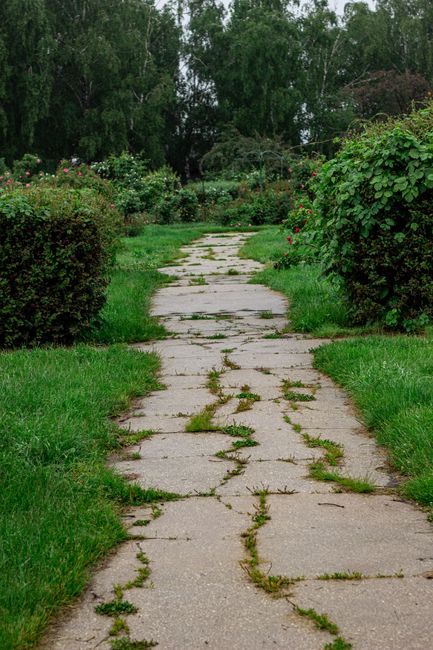
Access problems in Raynes Park gardens can turn even simple maintenance into a frustrating job. A narrow side passage, a steep step, a locked gate, overgrown planting, or an awkward terrace layout can make it hard to get tools in, take waste out, or reach the back of the garden safely. That's where experienced gardeners make a real difference. They don't just cut hedges or mow lawns; they work out how to get the job done when the garden itself is fighting back.
In practical terms, this means planning around tight entrances, protecting surfaces, choosing the right tools, and shaping work so it's safe for people, pets, and property. If you've ever looked at a cramped Raynes Park garden and thought, "Where on earth do we start?"-you're in the right place. This guide breaks down what access issues look like, how gardeners handle them, what to expect, and the smart choices that make a tricky garden much easier to live with.
For readers also thinking about wider garden improvements, it can help to browse related topics like turning a neglected outdoor space into something manageable or regular garden maintenance if the goal is steady, low-stress upkeep rather than a one-off rescue.
Why Access problems in Raynes Park gardens how gardeners help Matters
Access is one of those garden issues that people often underestimate until work begins. On paper, the task might sound easy: trim a hedge, clear a border, lift some old timber, maybe tidy a lawn. In reality, the route to the work area matters just as much as the work itself. If the only access is through the house, down a narrow side return, or over uneven steps, the whole job changes.
That matters for three big reasons. First, safety: carrying sharp tools, heavy bags, or awkward branches through tight spaces raises the chance of slips and damage. Second, efficiency: what should take two people an afternoon can stretch out if every item has to be moved carefully, one piece at a time. Third, quality: if a gardener can't get the right equipment into position, the finish may suffer. Truth be told, access issues are often the hidden reason a garden has been left untouched for months.
Raynes Park has its share of compact plots, split-level gardens, side passages, and homes where the garden has been modified over the years. That makes access planning especially important. A good gardener won't just see an obstacle. They'll see a workable system.
Expert summary: Access problems rarely mean "no solution." They usually mean the garden needs a different method, a different sequence of work, or a different set of tools. The best gardeners adapt the job to the space, not the other way round.
How Access problems in Raynes Park gardens how gardeners help Works
Helping with access problems starts before any cutting, digging, or clearing begins. A careful gardener will usually assess the route into the garden, the surfaces underfoot, the width of gates and paths, and any pinch points where tools or waste could snag. Sometimes that assessment takes only a few minutes. In harder cases, it becomes the main part of the planning.
The basic process usually looks like this:
- Site assessment: The gardener looks at gates, steps, slopes, doorways, parking, and the path to the work area.
- Risk check: They identify trip hazards, unstable paving, loose handrails, slippery moss, or weak fencing panels.
- Method choice: They decide whether to use hand tools, compact machinery, sectional dismantling, or staged removal.
- Protection: Floors, walls, patios, and edges are protected where needed, especially if tools or waste must pass through narrow spaces.
- Work staging: The job is broken into smaller parts so clearance, pruning, or mowing can happen without crowding the access route.
- Waste handling: Cuttings and debris are bundled, bagged, or moved in manageable loads so nothing blocks the exit.
In some gardens, access is not only about getting in; it's about getting out. Think of a back garden with no direct driveway access. Every sack of waste, every branch, every broken planter has to come back through the same narrow route. That's why smart staging matters so much. It's a small detail on the surface, but it changes everything.
Gardening teams may also suggest practical changes that improve access long term. That could mean repairing or replacing awkward fence sections, reworking a path, or even adjusting planting to create cleaner movement through the space. If the issue is severe, more structural help from landscaping work may be the right move.
Key Benefits and Practical Advantages
Good access planning is about more than convenience. It gives you a garden that is actually maintainable, not just attractive for a few weeks after a tidy-up. And that is a big difference.
- Less disruption: Garden work can happen with less mess in the house, on paths, and around stored items.
- Reduced risk of damage: Careful routing protects doors, glazing, paving, decking, and borders from accidental knocks.
- Safer working conditions: Fewer awkward lifts and less cramped movement reduce the chance of trips and strains.
- Better results: When gardeners can reach every part of the space properly, the finish is neater and more consistent.
- Faster turnaround: The right approach saves time, especially in gardens that would otherwise need constant repositioning.
- More realistic upkeep: A garden that is difficult to access often becomes neglected; solving access makes regular care possible.
There's another benefit people don't always think about: access fixes can lower stress. If every visit feels like a battle with the garden gate, the whole experience becomes less enjoyable. Once movement is easier, even simple tasks like deadheading, sweeping, or watering feel calmer. Almost meditative, if we're honest.
For clients who want a garden that feels neat without constant effort, pairing access improvements with practical planting can help too. A few well-placed options from easy-care garden ideas or a smarter layout using containers for flexible planting can make the whole space easier to live with.
Who This Is For and When It Makes Sense
Access help is useful for a wide range of Raynes Park homeowners, tenants, landlords, and property managers. It is not only for gardens that are completely overgrown. Sometimes the issue is simply that the layout is awkward enough to discourage routine work.
This is especially relevant if you have:
- a narrow side passage with limited turning space
- a steep step or split-level garden
- a rear garden with no rear access
- a locked communal entry or shared pathway
- delicate surfaces that must be protected during work
- large shrubs, climbers, or ivy blocking movement
- limited ability to move heavy objects yourself
- pets or children whose safety has to be considered during the visit
It also makes sense if you are planning a larger project such as hedge reduction, garden clearance, or a seasonal tidy-up. A tidy boundary might look simple from the street, but if the hedge is choking the only access point, the job quickly becomes a logistics exercise. For that kind of work, hedge trimming in Raynes Park and tree surgery can both become access-critical services rather than just cosmetic ones.
To be fair, if you only need a quick sweep and a few pots moved, you probably do not need a full plan. But if the access issue has become the reason you keep postponing the work, that's usually the point where professional help starts to pay for itself.
Step-by-Step Guidance
If you are preparing for a gardener to tackle an awkward Raynes Park garden, this is the simplest way to think about the job.
- Walk the route first. Check the gate, side passage, steps, and any indoor route if waste has to move through the house. Notice what feels tight before the work starts.
- Clear the access line. Move bikes, bins, shoe racks, garden furniture, toys, and loose tools out of the way. It saves time immediately.
- Point out fragile areas. Tell the gardener about weak paving, soft borders, water features, or anything that could be easily damaged.
- Decide where waste will stack. A small staging area near the exit keeps the route clear and prevents repeated back-and-forth.
- Choose the right method. Sometimes hand tools are better than large equipment. Sometimes the job should be split into sections rather than done all at once.
- Protect what matters. Sheets, boards, or simple temporary barriers can prevent scratches and muddy footprints.
- Work from the far end back. This is a classic move. The team starts where access is most awkward, then gradually clears back toward the exit.
- Review the result. Once the work is done, think about what still makes access awkward. A small follow-up tweak can make next time much easier.
A useful rule of thumb: if the route is difficult for you, it will probably be difficult for anyone carrying tools and debris. So don't downplay it. Show the problem clearly. It helps the gardener help you better, which sounds obvious, but people skip this bit all the time.
Expert Tips for Better Results
Small choices make a big difference when access is tight. In our experience, the best results come from combining sensible planning with a little flexibility.
- Book work in daylight where possible. Even a well-lit garden feels easier to navigate when you can see edges, steps, and tools properly.
- Tell the team about parking early. If equipment needs to be unloaded near the property, access is easier when the vehicle can stop sensibly.
- Use lighter, repeatable loads. Heavy one-off carries are more tiring and more risky than smaller, regular trips.
- Trim access blockers first. Ivy, brambles, and low branches often create the worst bottlenecks. Clearing them can transform the whole job, as discussed in this guide to removing ivy.
- Think about the next season. Winter wetness and leaf fall can make routes slippery; summer overgrowth can narrow them again. Access is never a one-time issue, really.
- Match planting to the space. If the garden is difficult to move through, choose planting that does not swallow the walkway. Ground cover, climbers, or compact borders can help if used carefully.
If you want a garden that is easier to care for all year, it can help to think in layers. Low-growing planting at ground level, controlled vertical growth, and clear routes through the middle all make the space more usable. A useful read on that idea is vertical gardens, especially where floor space is limited.
Common Mistakes to Avoid
Most access problems get worse because of a few predictable mistakes. The good news is that once you spot them, they're fairly easy to avoid.
- Leaving the access route as an afterthought. If the path is blocked by bins, planters, or loose rubble, the whole job slows down.
- Assuming standard equipment will fit. Not every mower, wheelbarrow, or trimmer is suited to tight spaces.
- Ignoring surface condition. Wet decking, mossy paving, and uneven steps can create hidden hazards.
- Overlooking waste removal. Cuttings accumulate fast, and in a narrow garden they can block the job very quickly.
- Forgetting pets or children. If a gate has to stay open, or tools are being moved through shared areas, safety planning matters.
- Trying to do everything in one visit. Sometimes it's better to split the work into phases, especially when the access route is the limiting factor.
One more thing: don't assume that because access has always been awkward, nothing can be improved. That's a sneaky little trap. A modest change-a clearer side path, a better gate swing, a less cluttered storage spot-can make routine maintenance feel much easier.
Tools, Resources and Recommendations
Access issues call for practical, not flashy, solutions. The right tools are usually the ones that reduce bulk, reduce strain, and protect surfaces.
| Need | Useful approach | Why it helps |
|---|---|---|
| Narrow side access | Compact hand tools and sectional work | Reduces the need to carry bulky gear through tight gaps |
| Heavy waste removal | Smaller bags or staged collection points | Keeps the route clear and avoids overloading one carry |
| Delicate paving or decking | Temporary protection boards or covers | Prevents scratches, mud transfer, and edge damage |
| Overgrown entry points | Initial clearance of hedges, ivy, or climbers | Restores usable width before the main task starts |
| Long-term ease of maintenance | Simple garden layout and structured planting | Makes future visits smoother and less disruptive |
As for recommendations, a few areas often deliver the most value:
- Regular maintenance: Less buildup means fewer access headaches later.
- Surface cleaning: Cleaner paths and patios are safer to walk on and easier to navigate.
- Boundary control: Hedges and climbers should be managed before they pinch the route.
- Smart planting: Keep high-maintenance plants where access is easiest, not where they are prettiest to look at from the kitchen window.
Related services can also support a better layout, such as patio cleaning for safer footing or lawn care if the lawn is contributing to poor movement through the space. And if the whole garden feels more like a job than a pleasure, it may be worth comparing options through pricing and quotes so you can choose a sensible next step.
Law, Compliance, Standards, or Best Practice
Most access improvements in domestic gardens are straightforward, but safety and care still matter. Gardeners working in the UK generally follow sensible best practice around safe lifting, clear walkways, suitable equipment, and responsible waste handling. For homeowners, the key point is simple: if a route is unsafe, cramped, or poorly lit, it should be treated as a real working hazard, not a minor inconvenience.
If access work involves ladders, cutting at height, heavier clearance, machinery, or removing damaged branches, the gardener should assess the risks before starting. That is where a responsible approach really shows. Good teams also protect surfaces, avoid creating trip hazards, and keep exits usable during the job whenever possible. It sounds basic, but basic is often what stops things going wrong.
You should also expect transparency on practical matters such as insurance, safety procedures, and terms of service. If you are comparing providers, pages like insurance and safety, health and safety policy, and terms and conditions are useful trust signals. If a company is happy to explain how it manages awkward access, that's usually a good sign.
For customers with specific access needs, it is also sensible to consider inclusion and communication. An access issue may be physical, but it can also be about timing, coordination, or making sure instructions are clear. The more accurately you explain the garden's layout, the better the plan tends to be. Simple as that.
Options, Methods, or Comparison Table
Different gardens need different solutions. Here's a simple comparison of common approaches gardeners use when access is limited.
| Method | Best for | Pros | Trade-offs |
|---|---|---|---|
| Hand-tool approach | Tight passages, delicate spaces, small-to-medium jobs | Precise, quiet, less risk of damage | Slower on very large jobs |
| Sectional clearance | Overgrown gardens with narrow exits | Controls waste and keeps routes open | Requires careful sequencing |
| Surface protection and staging | Gardens with indoor or hard-surface access routes | Protects the home and speeds movement | Needs a bit more set-up time |
| Structural access improvement | Repeated long-term access issues | Makes future care much easier | May need extra budget and planning |
| Access-friendly redesign | Gardens that feel crowded or awkward to maintain | Improves flow and reduces effort | Best as part of a bigger garden plan |
Sometimes the best choice is not the fastest one. For example, a hand-tool approach may take longer on the day, but it avoids the risk of cracking a paving slab or scuffing a wall. That trade-off is often worth it. Especially in tight urban gardens, where everything feels close together and one bad move can leave a mark.
Case Study or Real-World Example
Here's a realistic example from the kind of situation many Raynes Park homeowners recognise.
A back garden had a decent amount of space, but the only access was through a narrow side passage with a sharp turn near the gate. The garden had become difficult to maintain because cuttings from the hedge, leaves, and general clutter kept building up. The owner had tried to stay on top of it, but mowing, clearing, and shifting waste through the route felt exhausting. The result was predictable: the garden slipped further behind.
The gardener's first move was not to start cutting. It was to clear the route. Loose pots, an old broom, and several forgotten items were moved out of the way. Then the overhanging hedge was reduced in stages, not all at once, so the access line gradually opened up. Waste was bagged in smaller loads, and the work was split into sections so the route never became blocked.
By the end, the garden was not just tidier. It was easier to maintain. The owner could now get to the back border without squeezing sideways, and future visits took less time. A small access problem had been turned into a more manageable routine. No magic. Just practical planning.
If the issue is more about plants getting in the way than the structure itself, a helpful next step can be reviewing plant choices and layout ideas. A little inspiration from ground cover planting ideas or fast-growing hedges can be useful, provided they are used in a controlled way that does not choke access again later.
Practical Checklist
Use this quick checklist before any work starts in an awkward-access garden.
- Is the main route into the garden clear?
- Can tools be carried safely without scraping walls or railings?
- Are there any slippery, uneven, or weak surfaces?
- Do hedges, ivy, or branches narrow the route?
- Is there a sensible place to stack waste temporarily?
- Will any work need to pass through the house?
- Are pets, children, or neighbours likely to be affected by access points being open?
- Is the plan realistic for the size and shape of the garden?
- Would the garden benefit from long-term layout improvements?
- Have you spoken clearly about any fragile areas or special concerns?
One last sanity check: if you cannot describe how the waste will leave the garden, the plan probably needs another look.
Conclusion
Access problems in Raynes Park gardens are common, but they are rarely a dead end. With the right gardener, awkward routes, tight gates, overgrown borders, and tricky steps become manageable parts of the job rather than barriers to it. The real skill is not just cutting and clearing. It's planning the work so the garden can be reached safely and improved without unnecessary stress.
That is why good access thinking pays off long after the first visit. It protects surfaces, reduces disruption, improves safety, and makes regular maintenance far more realistic. And once a garden is easier to work in, it usually becomes easier to enjoy as well. That's the bit people notice later, on a quiet Saturday morning, when the space finally feels usable again.
If you are weighing up what to do next, start with the access route, then think about the work itself. A little preparation goes a long way, and honestly, it can save a lot of faff.
Get a free quote today and see how much you can save.
Frequently Asked Questions
What counts as an access problem in a garden?
An access problem is anything that makes it hard to enter, move around, or remove waste from the garden. That can include narrow gates, side passages, steps, steep slopes, overgrown paths, or surfaces that are too delicate for heavier equipment.
Can gardeners work in a garden with no rear access?
Yes, usually they can. Many gardens are maintained through a single narrow route, though the work may need to be staged carefully. Smaller loads, compact tools, and planned waste removal are often the answer.
Do access problems make garden work more expensive?
Sometimes they do, because jobs can take longer and need more care. That said, not every awkward garden means a major cost increase. It depends on how difficult the route is, what needs to be moved, and whether extra protection is needed.
How do gardeners protect floors and walls when access is tight?
They may use protective covers, boards, or simple barriers, and they will usually plan the route so tools and waste move through the space with as little contact as possible. Careful handling matters as much as the materials used.
What is the best way to prepare my garden for a visit?
Clear the route, move loose items, point out any fragile areas, and make sure the team knows about gates, locks, pets, parking, or anything unusual. A five-minute preparation can save a surprising amount of time.
Can overgrown hedges cause access problems?
Absolutely. Hedges can narrow paths, block visibility, and make it awkward to carry tools or waste through the garden. In some cases, hedge reduction is the first thing that needs doing before anything else can happen safely.
Is it better to fix access first or do the garden tidy-up first?
Usually access first. If the route into the garden is blocked or unsafe, the rest of the work becomes slower and more risky. Once the access line is clear, the tidy-up tends to go much more smoothly.
What if my garden has steep steps or uneven paving?
Tell the gardener before the visit. Uneven paving and steps can change how tools are carried and where people can safely walk. A good gardener will adapt the plan, but they need to know about the issue first.
Can access issues be improved permanently?
Yes. Sometimes the answer is structural, like adjusting fencing, improving a path, or reorganising the garden layout. Other times it's about planting choices and maintenance habits that keep routes open.
How often should access routes in a garden be checked?
It's sensible to check them whenever the garden is due for maintenance, especially after periods of fast growth, bad weather, or heavy use. In spring and autumn, access problems often show up more clearly.
What services are most useful for awkward-access gardens?
It depends on the problem, but garden maintenance, hedge trimming, patio cleaning, lawn care, fencing, tree surgery, and landscaping can all help in different ways. The right mix depends on whether the issue is surface, structure, or overgrowth.
Should I choose a gardener based on their equipment?
Equipment matters, but approach matters more. A gardener with the right mindset will plan the job carefully, use suitable tools, and protect your property. That combination is what really solves access trouble.
How do I know if my garden needs a one-off visit or ongoing help?
If access is only awkward because of a temporary issue, a one-off visit may be enough. If the same bottlenecks keep returning, ongoing maintenance is often the better choice. It's usually cheaper in the long run, and less stressful too.